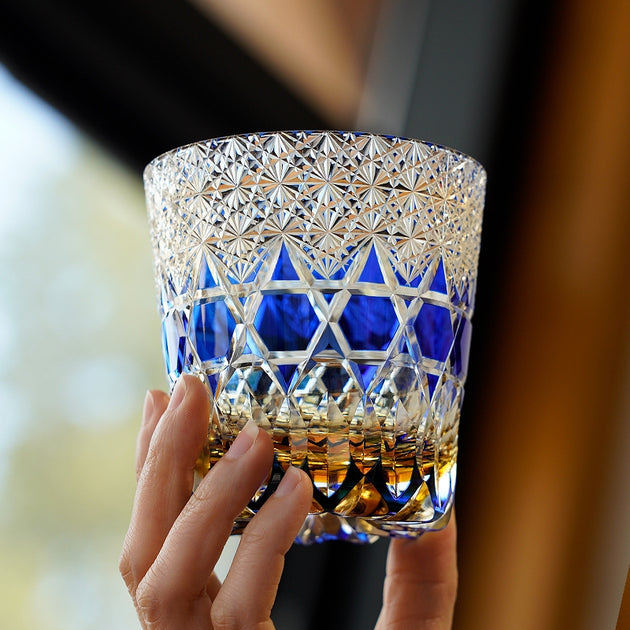

Finding authentic, well-crafted items for the home often involves sifting through mass-produced goods that lack character. For those interested in Japanese aesthetics, the MASU store offers a curated selection of handcrafted homeware, including barware, kitchen essentials, and unique tabletop pieces. This MASU handcrafted Japanese homeware review examines the brand's focus on traditional design and functional elegance. Whether you are looking to refine your kitchen setup or add a specific cultural touch to your living area, understanding the scope of their collection is the first step. Readers should always verify the latest product details and terms directly at the merchant website before making a purchase decision.

Quick overview of MASU
MASU is a specialized retailer focusing on high-quality, handcrafted Japanese homeware. Their catalog spans several categories, including oriental barware, kitchenware, and tabletop utensils, alongside various unique homeware items. The brand emphasizes the aesthetic and functional value of traditional Japanese design, aiming to provide products that can elevate the visual and practical aspects of a modern living space. The primary use case for these products is for homeowners who appreciate artisanal quality and minimalist, functional decor.
A notable limitation to keep in mind is that because these items are handcrafted, there may be natural variations in texture, finish, or dimensions compared to mass-produced alternatives. Shoppers should approach these items as artisanal pieces rather than strictly uniform industrial goods. Always check the specific product page at the MASU website to confirm dimensions and materials before finalizing your order.
Design, build quality, and key features
The design philosophy at MASU centers on the intersection of utility and traditional Japanese artistry. The barware and kitchenware collections are characterized by clean lines and an emphasis on the materials used, which often include natural elements typical of Japanese craftsmanship. These pieces are intended to be both display-worthy and durable enough for regular use in a home environment.
Key features of the collection include a focus on ergonomics and the tactile experience of using the items. For instance, tabletop utensils are designed with a balance that reflects traditional usage patterns. When evaluating the build quality, consider that the materials are selected to age gracefully, often gaining character over time. Because the inventory is diverse, it is essential to review the specific descriptions provided for each item to understand the care requirements and intended maintenance, as some handcrafted materials may require more delicate handling than standard stainless steel or mass-market ceramics.
Setup, everyday use, and performance
Integrating MASU products into your daily routine is generally straightforward, as most items are designed for standard kitchen or bar use. However, the performance of these items is tied to how well they are maintained. For example, handcrafted barware may require hand-washing to preserve the integrity of the finish, whereas certain kitchen utensils might need specific oiling or drying routines to prevent warping or staining.
The learning curve is minimal, but the shift from modern, disposable-style kitchenware to artisanal pieces requires a change in mindset regarding maintenance. These are items intended for long-term use. If you are setting up a home bar or upgrading your dining table, consider how the specific pieces from MASU fit into your existing workflow. Performance is best measured by the longevity and the aesthetic satisfaction the items bring to your space over time, rather than just their initial utility.
Main benefits and possible drawbacks
The primary benefit of choosing MASU is the access to authentic, handcrafted Japanese designs that are difficult to replicate with mass-market products. The aesthetic value of these items can significantly enhance the atmosphere of a kitchen or dining area. Furthermore, the focus on traditional craftsmanship often results in unique pieces that serve as conversation starters.
On the other hand, potential drawbacks include the need for more careful maintenance compared to dishwasher-safe or industrial-grade alternatives. Additionally, since these items are handcrafted, there is a degree of variability that might not suit those looking for perfectly identical matching sets. Buyers should carefully read the product descriptions to ensure they are prepared for the specific care needs of the items they select.
Who MASU is best for
MASU products are particularly well-suited for several types of individuals:
- Homeowners who value minimalist, Japanese-inspired interior design.
- Culinary enthusiasts looking to upgrade their tabletop presentation with authentic utensils.
- Collectors of artisanal barware who appreciate the craftsmanship behind their tools.
Those who prioritize convenience over aesthetics, or who require items that can withstand high-heat dishwasher cycles and intensive daily abuse, might find that these handcrafted pieces require more care than they are willing to provide. In such cases, exploring more durable, industrial-grade alternatives might be a better fit.
Value and purchase considerations
Evaluating the value of MASU homeware involves looking beyond the initial cost. Because these are handcrafted items, the value lies in the artistry, the materials, and the longevity of the product. When considering a purchase, think about how often you will use the item and how much it contributes to the overall aesthetic of your home. Always visit the official MASU website to review the latest pricing and terms, as these can change. Check the checkout process carefully to understand any shipping or return policies that apply to your specific order.
How it compares with similar options
When comparing MASU to other homeware options, the primary differentiator is the focus on authentic Japanese craftsmanship. Many mainstream retailers offer "Japanese-style" products that are mass-produced and lack the specific artisanal quality found in the MASU collection. When shopping, compare the materials—look for natural woods, high-quality ceramics, or traditional metals—and consider the provenance of the items. The trade-off is typically between the lower price and high durability of mass-produced goods versus the unique character and artisanal quality of handcrafted pieces.
How to check the current offer
To view the current offers and complete your purchase, follow these steps:
- Visit the official MASU store website.
- Browse the categories for the specific homeware, barware, or kitchenware items you are interested in.
- Add your selected items to the cart.
- Proceed to the checkout page to view the final terms, including any applicable shipping costs or current promotional offers.
- Review the details before confirming your order to ensure everything meets your requirements.
What to check before buying
Before finalizing your purchase, ensure you have verified the following:
- Dimensions and Size: Confirm that the items fit your intended space or existing setup.
- Care Instructions: Check if the item is dishwasher safe or requires hand-washing.
- Return Policy: Review the merchant's policy in case the item does not meet your expectations upon arrival.
- Shipping Terms: Verify the estimated delivery times and any shipping fees.
Frequently asked questions
Are MASU handcrafted Japanese products worth the investment?
These products are generally considered a worthwhile investment for those who prioritize authentic craftsmanship, unique design, and long-term aesthetic value in their home. Because they are handcrafted, they offer a level of detail and character that mass-produced homeware often lacks. If you appreciate the art of Japanese design and are willing to provide the necessary care to maintain these items, they can serve as functional and beautiful additions to your living space for years to come.
What is the quality of MASU oriental barware?
The quality of MASU oriental barware is centered on traditional Japanese manufacturing techniques, which emphasize both functional utility and visual elegance. These pieces are typically crafted with attention to material selection, resulting in tools that feel balanced and authentic. While they are designed for regular use, they are artisanal in nature, meaning they may require more thoughtful maintenance than mass-produced barware to preserve their finish and structural integrity over time.
Is MASU homeware suitable for modern living spaces?
Yes, MASU homeware is highly suitable for modern living spaces, as the minimalist and functional nature of Japanese design integrates well with contemporary decor styles. Whether you are looking to add a subtle cultural accent to a kitchen or seeking specific pieces for a home bar, these items can enhance the visual appeal of a modern home. Their understated elegance often complements clean lines and neutral palettes, making them versatile choices for various interior aesthetics.
Final verdict
MASU provides a compelling destination for those seeking to incorporate authentic, handcrafted Japanese homeware into their daily lives. By focusing on traditional barware, kitchenware, and tabletop utensils, the brand helps bridge the gap between functional utility and artisanal beauty. While these items require a higher level of care and appreciation for the nuances of handcrafted goods, the result is a home environment enriched by quality and cultural depth. We recommend that potential buyers carefully review the specific product details and care instructions on the merchant's website to ensure each piece aligns with their lifestyle. For those ready to elevate their living space with unique, well-made items, exploring the collection at the official MASU store is a logical next step.