
When curating a home bar or tea station, Japanese craftsmanship offers an unparalleled level of artistry. Many collectors begin their journey searching for the perfect, light-catching edo kiriko glass to elevate their evening spirits. While MASU has earned a stellar reputation for these hand-cut glass masterpieces, their dedication to traditional Japanese tableware extends far beyond glassware. To truly appreciate the breadth of their artistry, one must look at how they handle clay as well as glass. Today, we are shifting our focus from the brilliant facets of their glass collection to explore a ceramic marvel: the Arita Ware Seigaiha Shippou Lidded Ceramic Teacup. This piece bridges the gap between classic tea rituals and modern design sensibilities. Let's explore how this lidded cup holds up in daily use, and how to check the current merchant terms to add one to your collection.
Quick overview of Arita Ware Seigaiha Shippou Lidded Ceramic Teacup
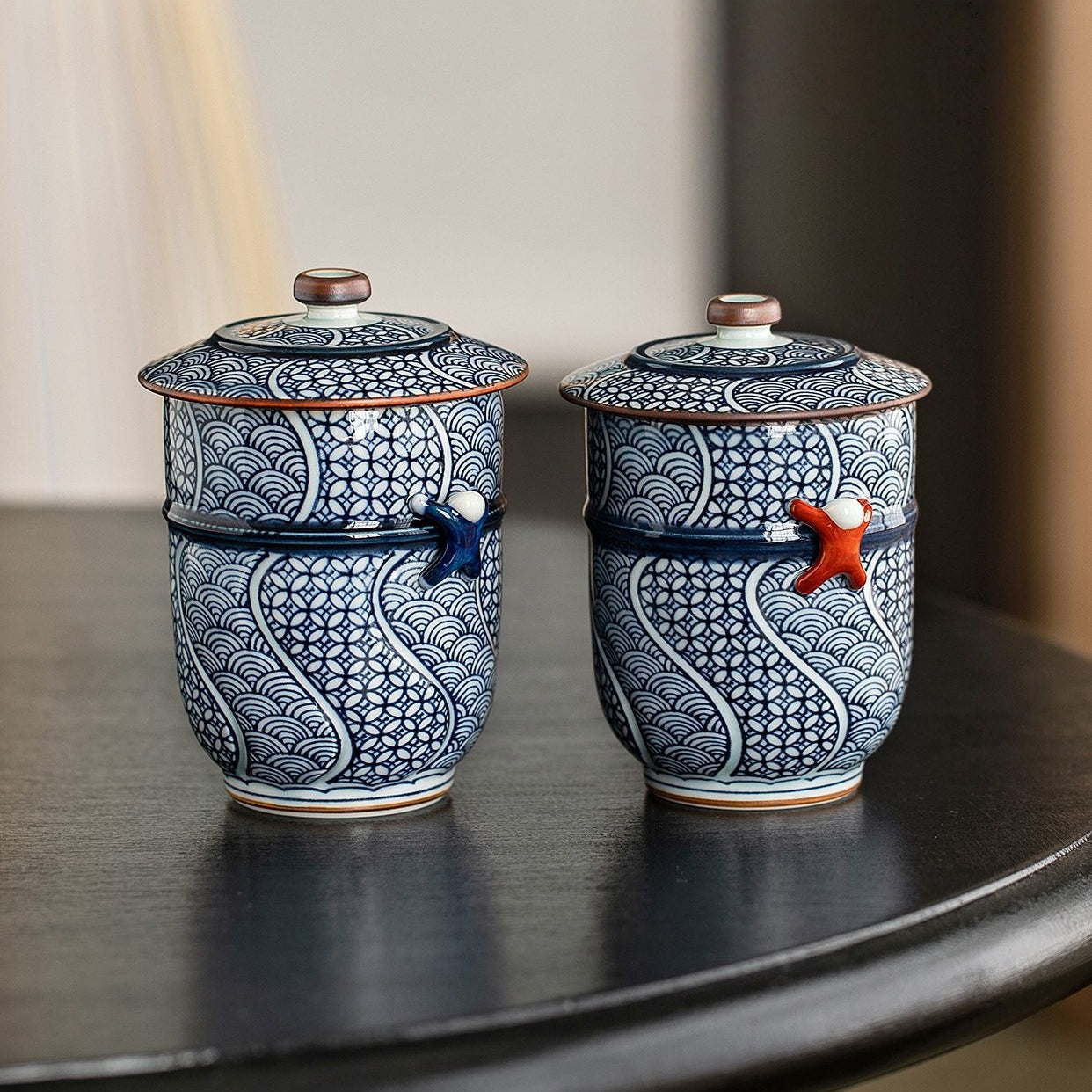
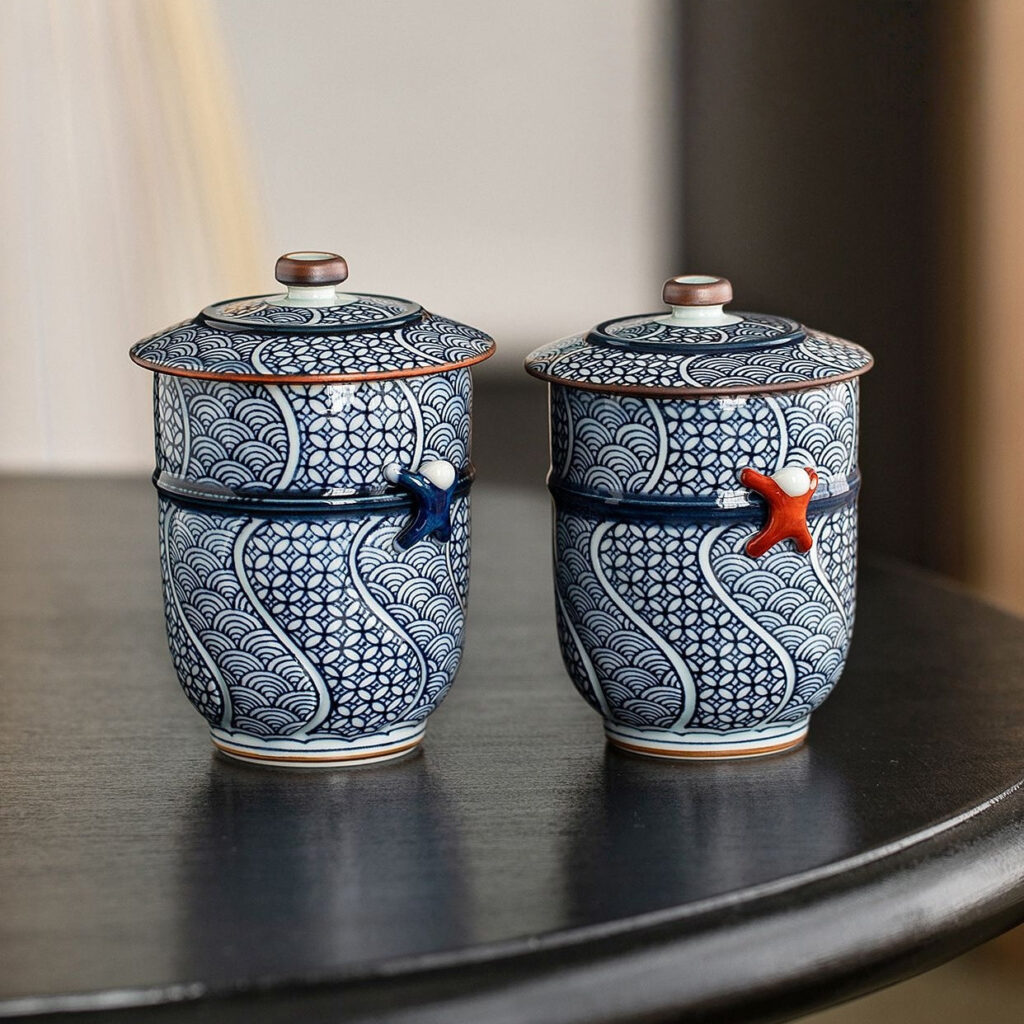
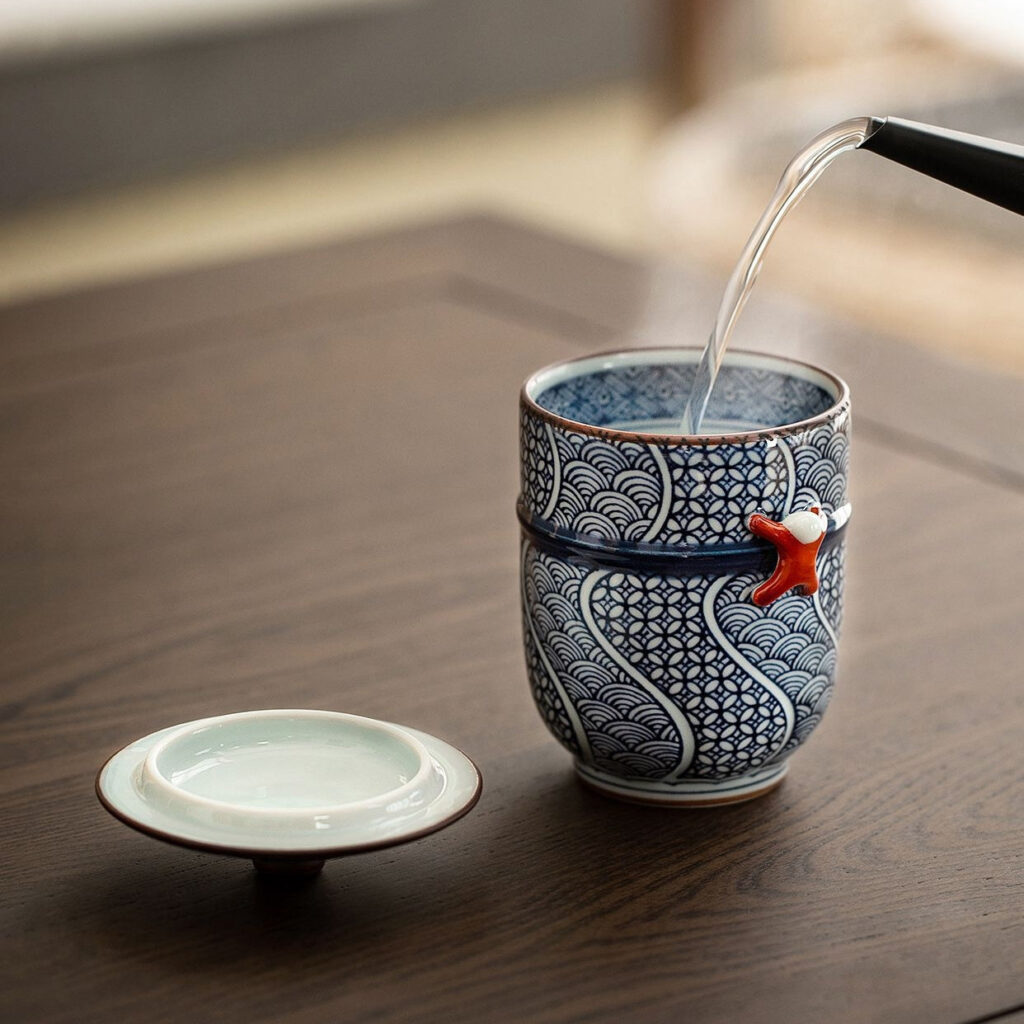
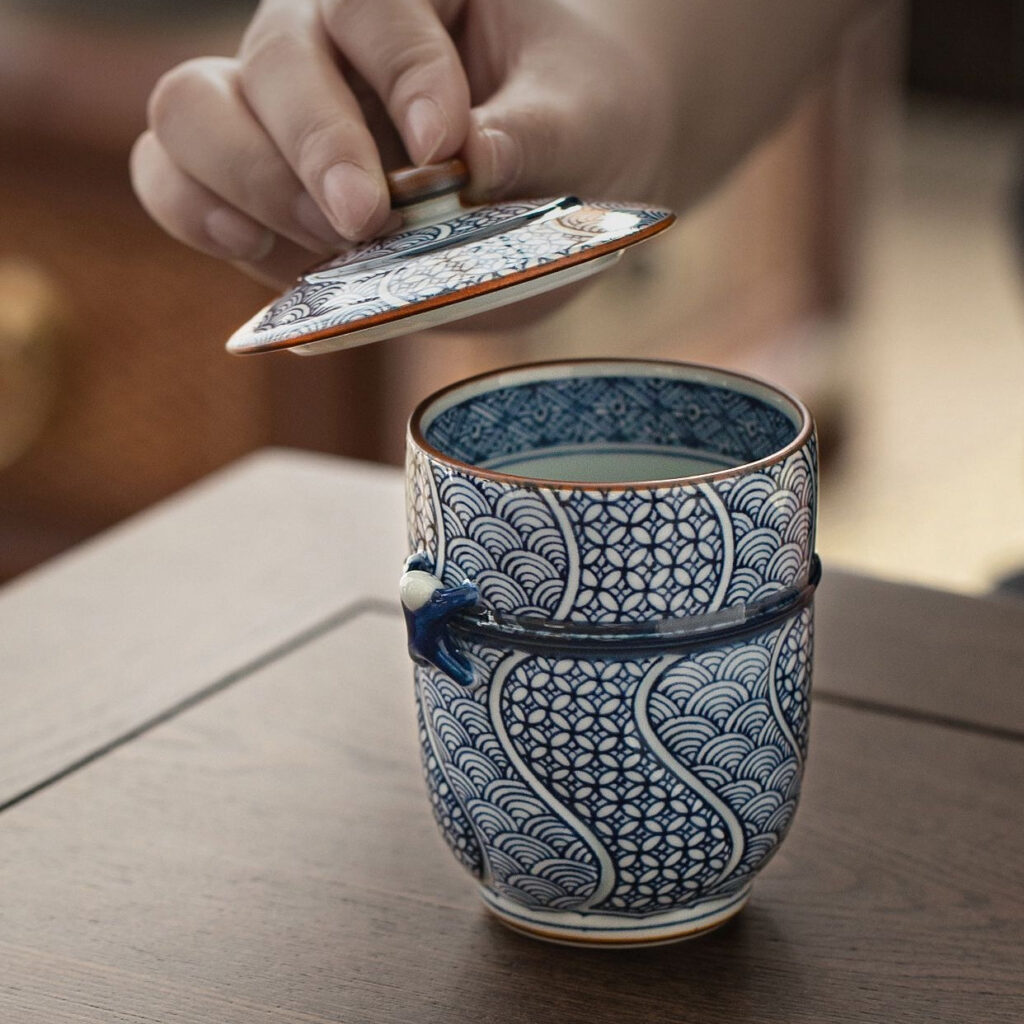
The Arita Ware Seigaiha Shippou Lidded Ceramic Teacup is a beautifully crafted vessel made in Japan, designed for those who appreciate the slow, deliberate ritual of tea. It combines traditional Japanese blue-and-white decoration with a playful modern detail, making it an excellent companion to MASU's celebrated edo kiriko glass collection. The cup features a refined all-over pattern inspired by seigaiha waves and shippou geometric motifs, creating a layered design that feels classic, detailed, and full of character. Its primary use case is for brewing and enjoying loose-leaf green teas, where the lid plays a functional role in heat retention and aroma concentration. However, because it is crafted from delicate porcelain-grade ceramic, it requires mindful handling and hand-washing to preserve its intricate patterns over time.
Design, build quality, and key features
The design of this teacup is rooted in centuries of ceramic history. Originating from Arita, the birthplace of Japanese porcelain, the cup showcases a stunning contrast between the stark white ceramic base and the deep cobalt blue patterns. The seigaiha wave pattern represents waves of good fortune, while the shippou interlocking circles symbolize harmony and peace. These motifs are deeply embedded in Japanese cultural history, making each sip feel connected to a broader artistic legacy.
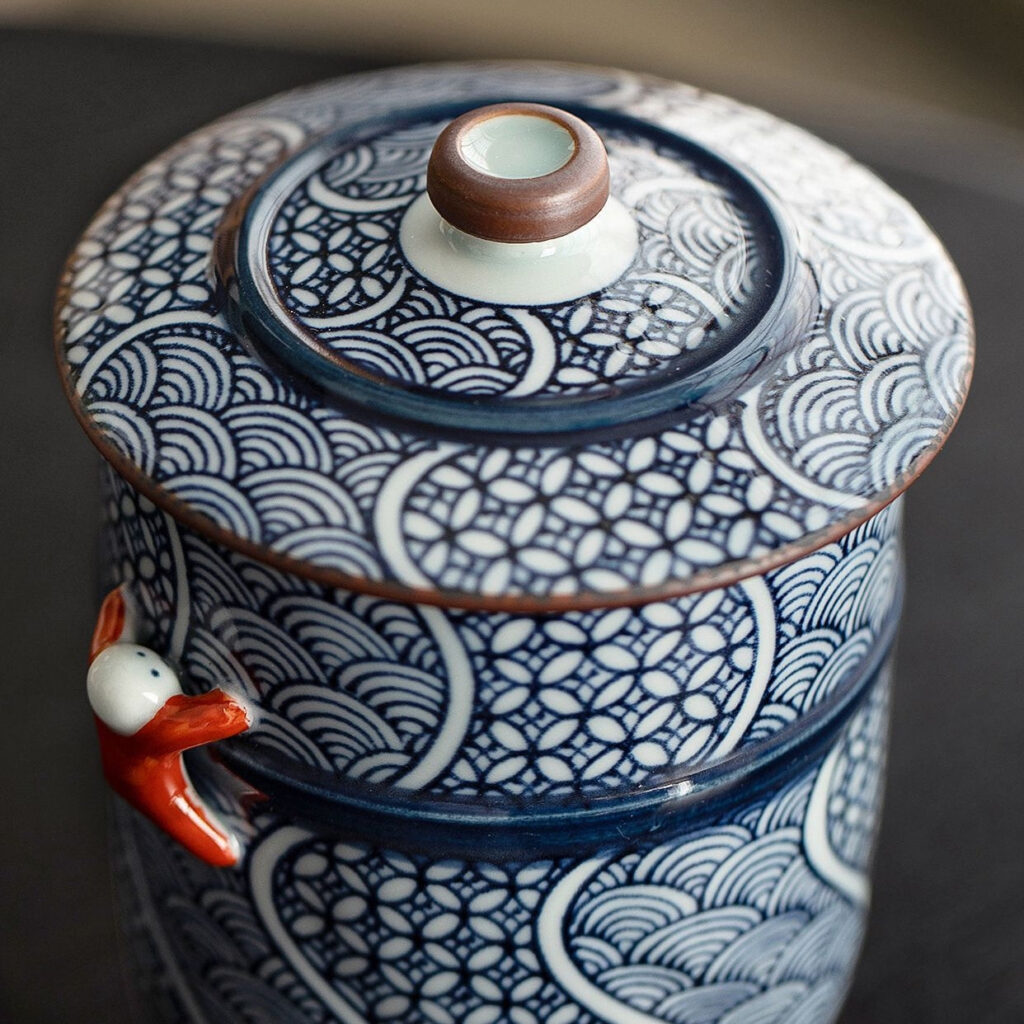
What sets this cup apart is its layered design. The patterns are not merely stamped on; they are applied with a precision that honors traditional Japanese stenciling while incorporating a subtle, playful modern twist in the alignment and scale of the motifs. The lid fits snugly atop the rim, designed to keep your brew hot while steeping and to serve as a convenient rest for your tea bag or spent leaves. The ceramic itself is dense yet surprisingly lightweight, offering a comfortable tactile experience that balances durability with delicate refinement.
Setup, everyday use, and performance
Using the Arita Ware Seigaiha Shippou Lidded Ceramic Teacup is an incredibly straightforward yet deeply satisfying experience. Unlike preparing spirits in an Edo Kiriko Handcrafted tumbler, brewing tea in a lidded ceramic cup is all about temperature control and aroma. To use it, simply pre-warm the cup with hot water, discard the water, add your tea leaves, and pour in water at the correct temperature. Placing the lid on top traps the volatile aromatic oils, ensuring that when you lift the lid, you are greeted with a concentrated burst of fragrance.
In terms of everyday performance, the ceramic retains heat exceptionally well, allowing you to savor your tea over an extended period without it growing cold too quickly. Maintenance is simple but requires care: we highly recommend hand-washing with a soft sponge and mild detergent. Avoid abrasive scrubbers or harsh dishwashers, as these can dull the brilliant blue glaze over years of use. It is also wise to avoid sudden temperature shocks—such as pouring boiling water into a freezing cold cup—to prevent thermal stress.
Main benefits and possible drawbacks
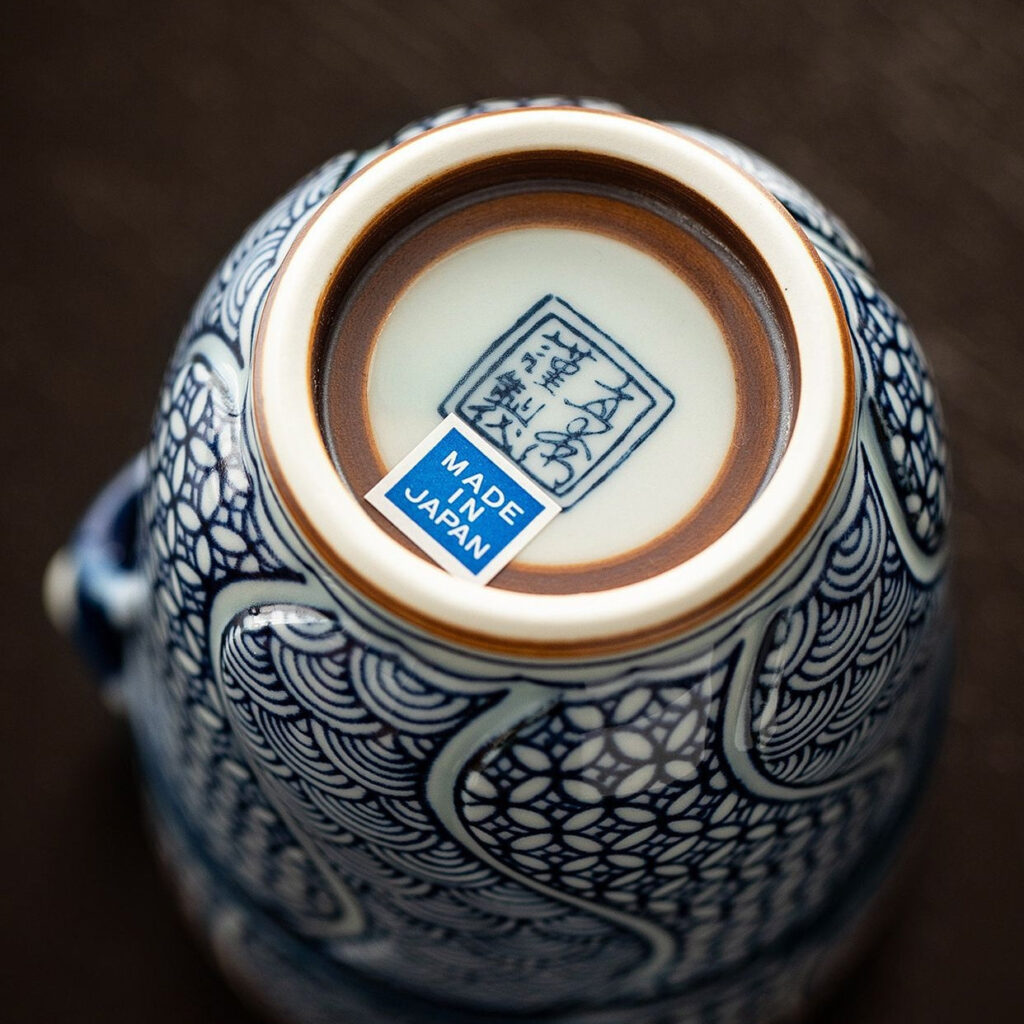
The benefits of this lidded teacup are centered around its aesthetic beauty and functional design. The dual motifs of seigaiha and shippou make it a striking display piece even when not in use. The lid is highly practical, serving both as a heat-retaining cover and a saucer for tea strainers. Additionally, being made in Japan ensures a level of quality control and historical authenticity that mass-produced ceramics simply cannot replicate.
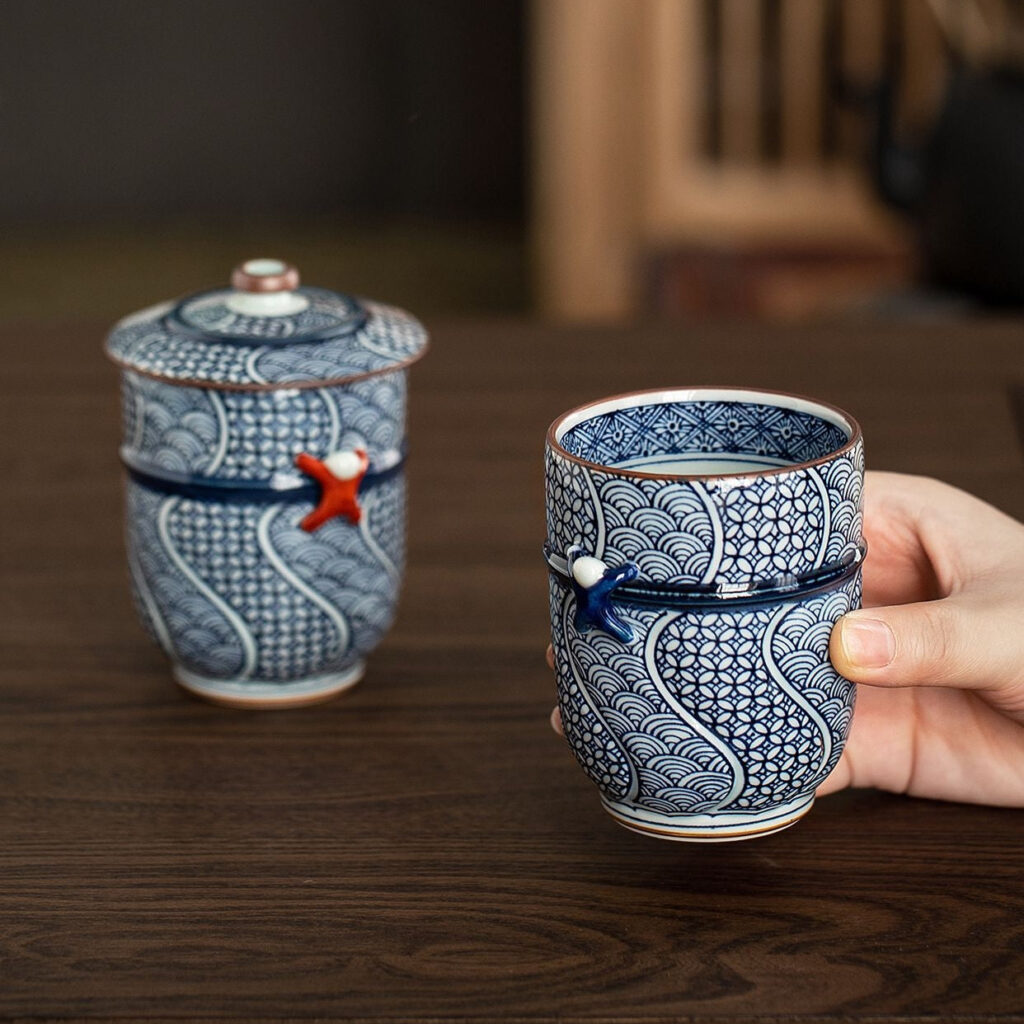
On the drawback side, the cup does not feature a handle, which is traditional for Japanese teacups but may require a brief adjustment period for Western users. The exterior can get quite warm if filled with boiling water, so it is best to let your tea cool slightly or hold the cup by the top rim and bottom base. Furthermore, because it is a fine ceramic piece, it is susceptible to chipping if knocked against hard surfaces, meaning it is not suited for rugged, outdoor use or chaotic, high-traffic office environments.
Who Arita Ware Seigaiha Shippou Lidded Ceramic Teacup is best for
This exquisite cup is ideal for several distinct types of tea lovers:
- The Ritualist: Anyone who views their daily tea-drinking as a form of mindfulness will appreciate how the lid and traditional patterns slow down the brewing process.
- The Collector of Japanese Crafts: If your shelves already feature beautiful glassware like the Rose Koi Whisky Glass With Wooden Box, this ceramic piece adds a complementary texture and historical depth to your collection.
- The Host: Those who love serving guests with authentic, conversation-starting tableware that tells a story of regional Japanese craftsmanship.
Conversely, those looking for a travel-friendly mug with a handle, double-wall insulation, or dishwasher-safe convenience may want to look elsewhere.
Value and purchase considerations
When evaluating the value of the Arita Ware Seigaiha Shippou Lidded Ceramic Teacup, it is important to view it as an investment in authentic Japanese heritage. This is not a generic, mass-produced mug; it is a piece of Arita ware that carries generations of ceramic expertise. To evaluate its current value, we recommend checking the dynamic offer and terms directly on the MASU website.
Keep in mind that purchasing authentic imported tableware involves considerations such as secure packaging and reliable shipping. MASU is known for ensuring these delicate items are packed with extreme care to prevent transit damage. Be sure to check the merchant checkout page for the most up-to-date shipping options, return policies, and regional availability before finalizing your purchase.
How it compares to an edo kiriko glass and other Japanese tableware
In the world of premium Japanese drinkware, buyers often find themselves choosing between fine ceramics and exquisite glassware. While a heavy, hand-cut edo kiriko glass is the gold standard for cold spirits and whiskey, a lidded ceramic cup like this Arita Ware piece is far superior for hot tea. Ceramics provide the necessary thermal insulation to keep hot beverages warm without transferring too much heat to your hands, whereas glass can sometimes feel too hot to hold comfortably.
Compared to standard clay teacups (such as rustic Bizen or Shigaraki stoneware), Arita porcelain offers a much smoother, non-porous surface. This means it will not absorb the flavors of different teas, allowing you to switch from a delicate green sencha to a robust black oolong without any flavor carryover.
How to check the current offer
To secure your own lidded teacup from MASU, follow these simple steps:
- Navigate to the official MASU product page using our verified partner link: Visit MASU Home.
- Review the product details, high-resolution images, and any active merchant announcements on the landing page.
- Add the teacup to your cart and proceed to the checkout screen to view the final shipping rates, applicable taxes, and any active promotional offers.
What to check before buying
Before you complete your purchase, we recommend verifying the following details on the merchant's site:
- Shipping and Packaging: Confirm that secure, break-safe shipping is available to your location.
- Return Policy: Check the merchant's policy regarding items damaged during transit.
- Dimensions: Ensure the cup's capacity and physical size align with your typical tea-drinking habits.
- Stock Availability: Because authentic Japanese ceramics are often produced in limited batches, check if the item is currently in stock or on backorder.
Frequently asked questions
What makes an edo kiriko glass different from traditional Japanese ceramic ware?
An edo kiriko glass is a piece of hand-cut glassware known for its brilliant, light-refracting geometric patterns, whereas traditional Japanese ceramic ware, like Arita porcelain, is made from clay fired at high temperatures. Glassware is typically preferred for cold beverages like whiskey, while ceramics are ideal for hot teas due to their superior thermal properties.
Is the Rose Koi Whisky Glass With Wooden Box suitable for hot tea?
No, the Rose Koi Whisky Glass With Wooden Box is specifically designed as a premium vessel for spirits and cold drinks. Pouring boiling water into fine hand-cut glassware can cause thermal shock and lead to cracking. For hot beverages, a dedicated ceramic vessel like the Arita Ware Seigaiha Shippou cup is highly recommended.
How do I care for an Edo Kiriko Handcrafted glass compared to Arita ceramic?
Both Edo Kiriko Handcrafted glassware and Arita ceramic cups require gentle hand-washing with a soft sponge and mild soap. Neither should be placed in a dishwasher or microwave, as high heat and abrasive detergents can damage the delicate cut facets of the glass or dull the intricate blue glaze of the ceramic.
Final verdict
The Arita Ware Seigaiha Shippou Lidded Ceramic Teacup is a stunning testament to the enduring beauty of Japanese craftsmanship. While MASU may be famous for their breathtaking edo kiriko glass creations, this ceramic teacup proves they are equally adept at elevating the tea-drinking experience. Its intricate seigaiha and shippou patterns offer a beautiful blend of history and modern character, while the functional lid ensures a perfect brew every time. Its main limitation is its delicate nature, requiring careful hand-washing, but this is a small price to pay for such an authentic piece of art. If you are ready to elevate your daily tea ritual, we highly encourage you to click through to the MASU store and check the latest terms and availability for this exceptional piece.